
aquascaping
Coral Placement 101: Where to Put SPS, LPS & Soft Corals in Your Reef Tank
Where you glue a frag is just as important as what you buy. This guide breaks your reef into light and flow zones, gives target PAR ranges for SPS, LPS, and soft corals, and shows how much space to leave so aggressive corals don't sting their neighbors.
 The Coral Connect Team
June 8, 2026
4 min read
The Coral Connect Team
June 8, 2026
4 min read
You can buy the healthiest frag in the world, but if you glue it in the wrong spot, it will sulk, brown out, or get stung by a neighbor within a week. In reefkeeping, placement is care. Every coral evolved to live in a specific slice of the reef — some bask on the sunlit crest where the surf pounds, others tuck into shaded overhangs where the water barely moves. Your job is to recreate those neighborhoods inside the glass.
This guide will help you read your tank like a map and put every coral exactly where it wants to be.
Think in Zones: Light and Flow
Before you place a single coral, picture your aquascape as three vertical layers, each defined by two things: how much light reaches it and how hard the water moves through it.
- The top third — brightest light, strongest flow. This is your reef crest.
- The middle third — moderate light, moderate flow. The most forgiving real estate in the tank.
- The bottom third and shaded overhangs — lower light, gentler flow. Perfect for corals that scorch up high.
The single most useful tool for getting this right is a PAR meter (Photosynthetically Active Radiation). Light intensity drops fast with depth and shadow, so the reading at your sandbed can be a quarter of what it is at the surface. If you can't buy one, many reef clubs and local fish stores rent them — it's worth doing once to map your tank.
Soft Corals: Low to Mid, Easygoing
Soft corals — zoanthids, mushrooms, leathers, and Xenia — are the corals most beginners start with, and for good reason. They tolerate a wide range of conditions and generally thrive in lower light (roughly 50–150 PAR) with gentle to moderate flow.
Place zoanthid and mushroom colonies on the lower rockwork or sandbed shelves where light is softer. Leather corals appreciate a touch more flow to shed their waxy coat but still don't need blazing light. A common rookie mistake is parking softies right under the lights, where they bleach or close up. When in doubt with a softie, go lower.
LPS Corals: The Middle Ground (With Long Arms)
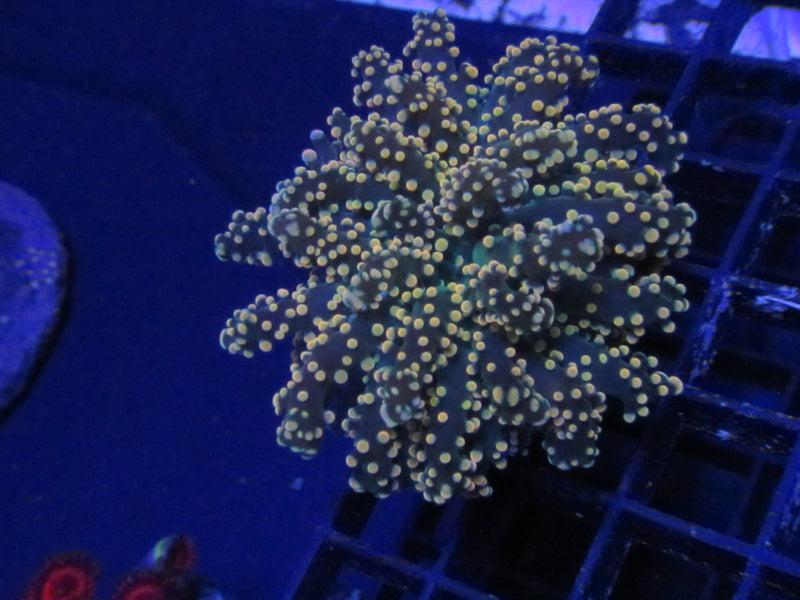
Large polyp stony corals — torches, hammers, frogspawn, acans, and chalices — are the showpieces of the mid-zone. Most do best at roughly 50–150 PAR with moderate, indirect flow. Too much direct flow and their fleshy polyps can't inflate; too little and detritus settles on them.
Here's the catch that catches everyone: LPS corals are aggressive. After anemones, they have some of the most powerful stings in the hobby, delivered by sweeper tentacles that only come out at night and can reach several inches beyond the coral's daytime footprint. A torch coral that looks small in daylight may be quietly mapping out a six-inch kill zone after lights-out.
The rule of thumb: leave at least 4 to 6 inches of open space around Euphyllia (torches, hammers, frogspawn) and chalices. Give them room to grow into, not room they'll immediately fight over.
SPS Corals: Top Shelf, High Light, High Flow
Small polyp stony corals — Acropora, Montipora, and friends — are the reef crest specialists. They want the brightest light and the strongest flow your tank can offer. Most SPS thrive at 200–400 PAR, with some Acropora happily taking 400–700 once acclimated.
Strong, turbulent flow is non-negotiable for SPS: it carries away waste, delivers nutrients, and prevents algae and detritus from smothering their thin tissue. Place SPS in the top third of the aquascape where light and flow peak. The good news is that SPS are far less aggressive than LPS, so you can group them more tightly — though you'll still want enough gap for growth and encrusting.
Acclimate New Corals Slowly
Even a coral destined for the top of the tank shouldn't go straight there. Light is the most common thing that shocks a new frag. Best practice is to introduce corals at about 30–40% of their target PAR — usually meaning you place them on the sandbed or low rock for the first week or two — then move them up gradually, or step up your light schedule by roughly 10% per week until they reach their final home.
Watch the coral, not the calendar. Polyp extension, color, and tissue should stay stable. If a coral pales, closes, or browns, back off — move it lower or dial the light down and give it time.
A Quick Placement Cheat Sheet
- Sandbed / low rock (50–100 PAR, gentle flow): mushrooms, many zoanthids, some acans.
- Mid rock (75–150 PAR, moderate flow): torches, hammers, frogspawn, leathers, chalices — spaced 4–6 in. apart.
- Upper rock / top third (200–400+ PAR, strong flow): Acropora, Montipora and other SPS.
Two more habits that save corals: dry-fit your aquascape before you glue anything, and observe the tank at night with a flashlight to catch sweeper tentacles before they win a border war. Placement isn't permanent — if a coral isn't happy, move it. Reading your corals and adjusting is the heart of the hobby.
Build Your Zones with The Coral Connect
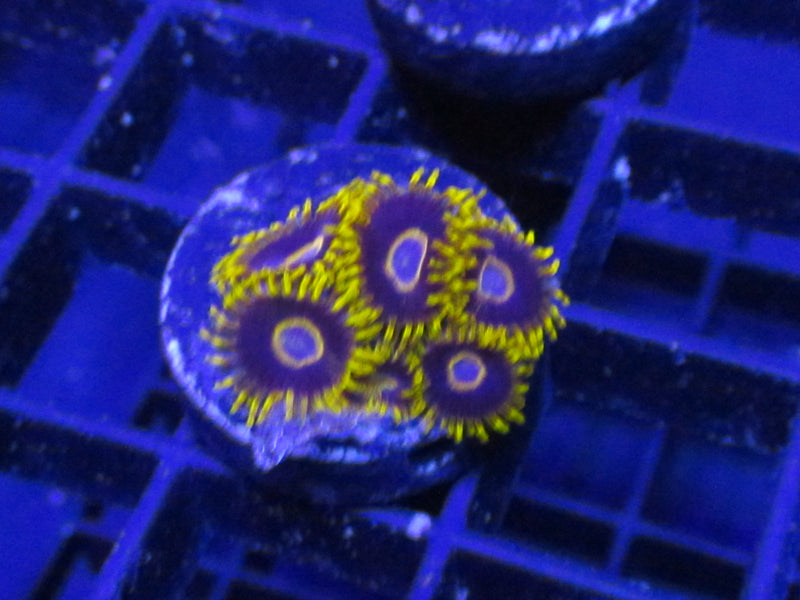
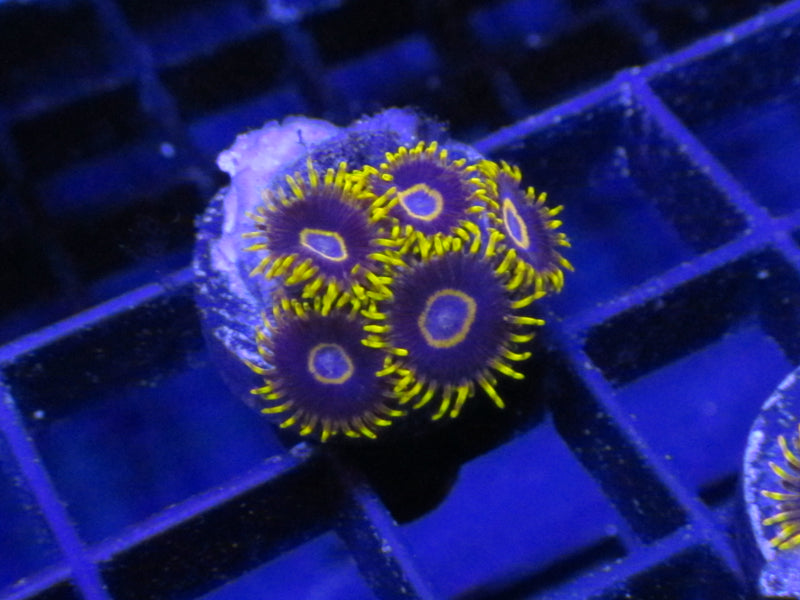
Ready to fill out those neighborhoods? Hardy, beginner-friendly zoanthid frags like our ZOA Garden and Zoas on Zoas on Zoas are perfect candidates for the low-to-mid light zones we covered here, and they're a colorful way to start mapping your reef. Browse the full coral selection at TheCoralConnect.com to find the right corals for every layer of your tank — and check back on the blog for more reefkeeping guides. Happy reefing!
Comments 0