
beginner
How to Feed Your Corals: A Reefkeeper's Guide to Coral Nutrition, Foods & Feeding Schedules
Do corals actually need to be fed? Yes — and how you do it makes a huge difference in growth and color. This guide breaks down coral nutrition, the best foods for soft corals, LPS, and SPS, target-feeding technique, feeding frequency, and how to feed without crashing your water quality.
 The Coral Connect Team
June 19, 2026
5 min read
The Coral Connect Team
June 19, 2026
5 min read
Ask ten reefkeepers whether corals need to be fed and you'll get ten slightly different answers. The truth sits in the middle: most corals can survive on light alone, but they thrive when you feed them thoughtfully. Feeding is where good tanks become great ones — faster growth, deeper color, and fuller polyp extension. Done carelessly, though, it's also one of the fastest ways to fuel nuisance algae and tank a hard-won water chemistry. Here's how to get it right.
Do corals actually need to be fed?
Most of the corals we keep are photosynthetic. They host microscopic symbiotic algae called zooxanthellae inside their tissue. Through photosynthesis, those algae produce sugars that feed the coral, and in return they get nitrogen, phosphorus, and carbon dioxide from the coral's waste. Under good lighting, this relationship can supply the majority of a coral's energy needs.
But "most" isn't "all." In the wild, corals are also active feeders, capturing plankton and dissolved nutrients drifting by on the current. That captured food provides amino acids, fatty acids, and trace nutrients that photosynthesis alone can't fully cover — the building blocks behind tissue growth and vivid pigmentation. Supplemental feeding simply recreates that second food source in your tank.
Know your coral, know its mouth
Different corals capture different particle sizes, so matching food to coral is the single most important feeding decision you'll make.
Soft corals & zoanthids
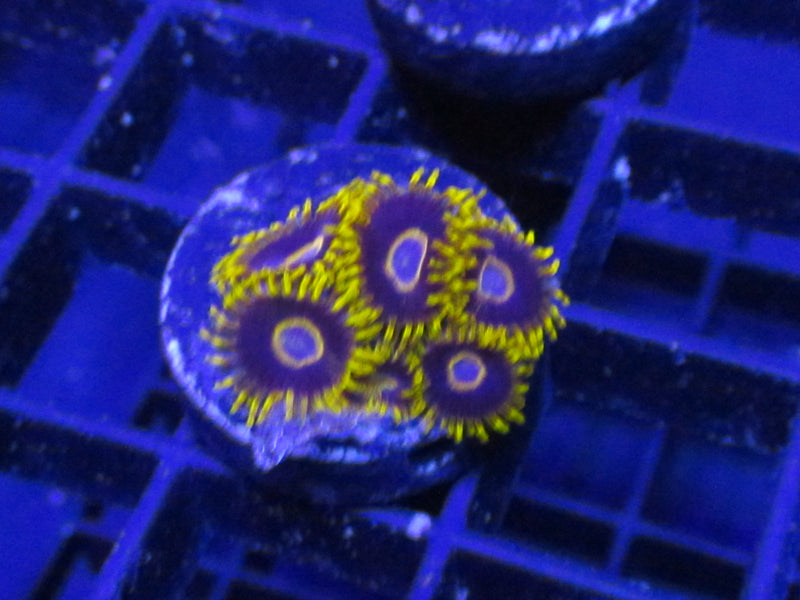
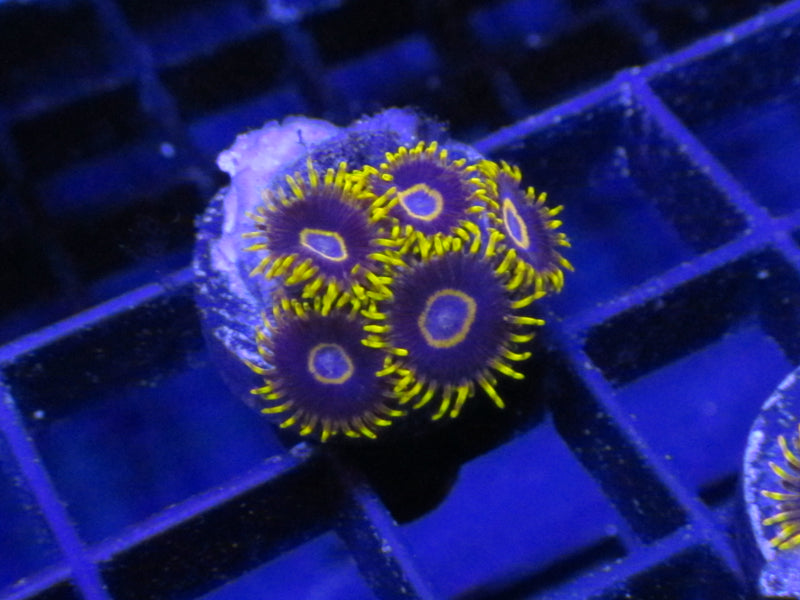
Many softies (leathers, mushrooms, GSP) lean heavily on photosynthesis and absorb dissolved nutrients from the water column. Zoanthids and palythoas, however, will happily grab fine particulate foods. For this group, fine powders and phytoplankton-style foods work well — and stability matters more than heavy feeding.
LPS (large polyp stony) corals
LPS are the eager eaters of the reef. Corals like hammers, torches, frogspawn, acans, and Duncans have tentacles and large fleshy polyps built to capture meaty, zooplankton-sized foods. Think mysis shrimp, finely chopped seafood, brine shrimp, and pellet or coral-specific foods. These are the corals where target feeding produces the most dramatic, visible results.
SPS (small polyp stony) corals
SPS such as Acropora, Montipora, and Stylophora have tiny polyps and feed on very small particles — phytoplankton, rotifers, copepod nauplii, oyster eggs, and ultra-fine coral powders. They benefit from frequent, small broadcast feedings rather than big targeted meals.
The main types of coral food
- Phytoplankton: Microalgae that feeds filter feeders and supports the base of the food web (including the pods your corals eventually eat). A staple in many reef tanks.
- Zooplankton & powdered "reef" foods: Particle blends designed for coral polyp capture — excellent for LPS and for broadcast feeding SPS.
- Frozen meaty foods: Mysis and brine shrimp, finely chopped seafood. Ideal for target feeding LPS and anemones.
- Amino acids & liquid supplements: Dissolved nutrition absorbed directly by coral tissue; often credited with boosting color and tissue growth.
One caution: food quality matters. Cheap foods loaded with fillers and binders that corals can't metabolize simply break down into nitrate and phosphate, feeding algae instead of your coral.
How to target feed (the right way)
Target feeding delivers food directly to a coral's polyps with a pipette or turkey baster, instead of hoping it drifts past. It's the gold standard for LPS and a great way to spot-feed prized pieces. Here's the routine:
- Turn off the flow. Switch off powerheads, wavemakers, and your return pump so food isn't instantly swept away. Many reefers also pause the protein skimmer for 15–30 minutes so it doesn't strip the food out.
- Premix the food. Mix the food with a little tank water in a small cup. This softens it, spreads it evenly, and makes dosing easier.
- Wait for the polyps. Give corals a few minutes to extend their feeding tentacles, then gently squirt the food directly over the polyps.
- Let them eat, then restart. Allow 15–30 minutes for capture, then turn equipment back on. Avoid leaving pumps off so long that oxygen levels drop.
For SPS and small-polyp feeders, broadcast feeding — dosing a diluted food into high-flow areas with pumps running briefly reduced — distributes tiny particles tank-wide more effectively than spot feeding.
How often should you feed?
There's no universal schedule, but a reliable starting point:
- LPS: Target feed 1–3 times per week. They don't need daily meals to flourish.
- SPS: Small broadcast feedings work well daily or every other day, since they eat tiny amounts continuously.
- Soft corals & zoanthids: Light feeding 1–2 times per week, with an emphasis on stable, mildly nutrient-rich water.
Watch the corals, not the calendar. Good polyp extension, steady growth, and improving color tell you your routine is working.
Don't overfeed — feeding without fueling problems
This is where beginners stumble. Corals can only eat so much at once, and everything they don't capture decays into nitrate and phosphate. A heavy hand creates algae outbreaks, cyanobacteria, and nuisance blooms far faster than it creates healthier corals. Feed small amounts, watch your nitrate and phosphate, and remember that consistency beats volume.
Feeding is also only one leg of the stool. Lighting, flow, and stable alkalinity, calcium, and magnesium all determine how well a coral can actually use the food you give it. Dialing in those parameters first will get you more growth than any single bottle of coral food.
Quick-start feeding checklist
- Match particle size to coral type (fine for SPS/softies, meaty for LPS).
- Premix food with tank water before dosing.
- Pause flow and skimmer briefly while feeding.
- Start with 1–3 feedings per week and adjust to your corals' response.
- Test nitrate and phosphate so feeding never outpaces your tank.
Feed your reef with confidence
Coral feeding isn't complicated once you understand what each coral is built to eat and how to deliver it without wrecking your water. Start small, stay consistent, and let your corals' polyp extension and color guide you. Whether you're stocking your first frags or fine-tuning a maturing display, The Coral Connect is here to help you build a thriving reef — explore our selection of aquacultured corals and reef supplies, and reach out anytime you need a hand dialing in your tank. Happy reefing!
Comments 0